AGP Executive Report
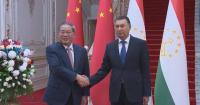
Last update: 8 hours agoClean Energy and Trade: During Chinese Premier Li Qiang’s visit to Dushanbe, he said China would deepen cooperation with Tajikistan on clean energy and green minerals, and import more high-quality Tajik goods. Renewable Energy: Tajikistan and Kuwait discussed expanding cooperation, highlighting Tajikistan’s hydropower potential and the role of clean energy. Glacier Research: Tajik scientist Dilorom Kayumova presented work on glaciers, snow cover and meltwater, research that can inform climate adaptation and regional water-security decisions. Biodiversity: President Emomali Rahmon used a leaders’ summit ahead of COP17 to outline Tajikistan’s conservation efforts, including a national biodiversity strategy through 2040 and protections for threatened species. Greening: Tajikistan has also reviewed progress on its state greening program through 2040.
Note: AI summary from news headlines; neutral sources weighted more to help reduce bias in the result. Feedback is welcome. Please let us know if you have any comments or suggestions about the AGP Executive Report.

 Perspectify News